Course Description
This course is designed to provide students with a detailed overview of best laser technician practices for a salon and/or spa business. It introduces topics: Basic Laser Theory, Skin typing, Intense Pulse/Light Theory, Hazards of Light Based Systems and Precautions to be taken in laser and IPL Safety Officer, Laser and IPL Aesthetic Applications, Equipment Management, and Practicalities Summary.
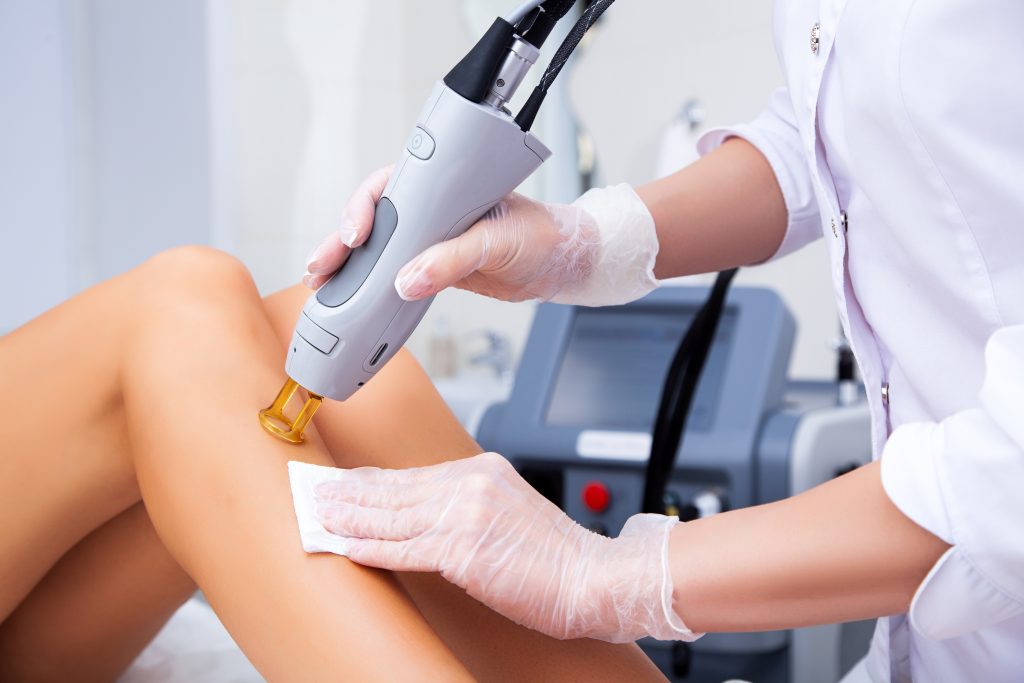
In a college course focused on laser hair removal, you would typically learn the following:
- *Basic Principles of Laser Technology*: Understanding how lasers work, including the physics of light, laser types, and the concept of selective photothermolysis (targeting specific chromophores in the skin).
- *Skin and Hair Anatomy*: Detailed study of skin structure, hair growth cycles, and the interaction of laser light with skin and hair.
- *Laser Types and Equipment*: Familiarity with different types of lasers used for hair removal, such as diode, Nd:YAG, and Alexandrite lasers, and understanding their specific uses and benefits.
- *Patient Assessment and Consultation*: Learning how to assess patients’ skin types, hair types, medical history, and suitability for laser hair removal. Conducting effective consultations to manage expectations and provide pre-treatment guidance.
- *Treatment Protocols and Techniques*: Training in the correct techniques for performing laser hair removal, including setting parameters, proper handpiece handling, and ensuring patient comfort.
- *Safety and Contraindications*: Understanding potential risks and contraindications, such as skin sensitivities, and learning how to manage and mitigate these risks. Knowledge of protective measures, including eye protection and skin cooling techniques.
- *Post-Treatment Care*: Providing patients with post-treatment care instructions to ensure proper healing and to maximize the effectiveness of the treatment.
- *Managing Side Effects and Complications*: Identifying and managing possible side effects, such as erythema, swelling, or burns, and knowing when to refer patients to a medical professional.
- *Regulatory and Ethical Considerations*: Knowledge of the legal requirements, industry standards, and ethical considerations related to performing laser hair removal.
- *Hands-On Training*: Practical experience through supervised training sessions to develop proficiency in using laser equipment and performing treatments on different skin and hair types.
- *Client Communication*: Developing skills to effectively communicate with clients, addressing their concerns, and managing their expectations throughout the treatment process
This course would combine theoretical knowledge with practical skills to ensure you are well-prepared to safely and effectively perform laser hair removal treatments.
